Memphis General Contractor: Professional Remodeling Services for Homes
How to Select the Best General Contractor for Your Next Home Project
Choosing the most suitable general contractor for a household project is a significant decision. It demands thorough evaluation of several key elements, including expertise, certifications, and interpersonal skills. Numerous homeowners neglect key aspects, leading to costly mistakes. Understanding how to evaluate potential contractors can make a significant difference. By focusing on important qualifications and posing the right inquiries, a homeowner can navigate this complex process with greater success. What are the key steps to guarantee a successful partnership?
How to Prevent Common Errors When Hiring a Contractor
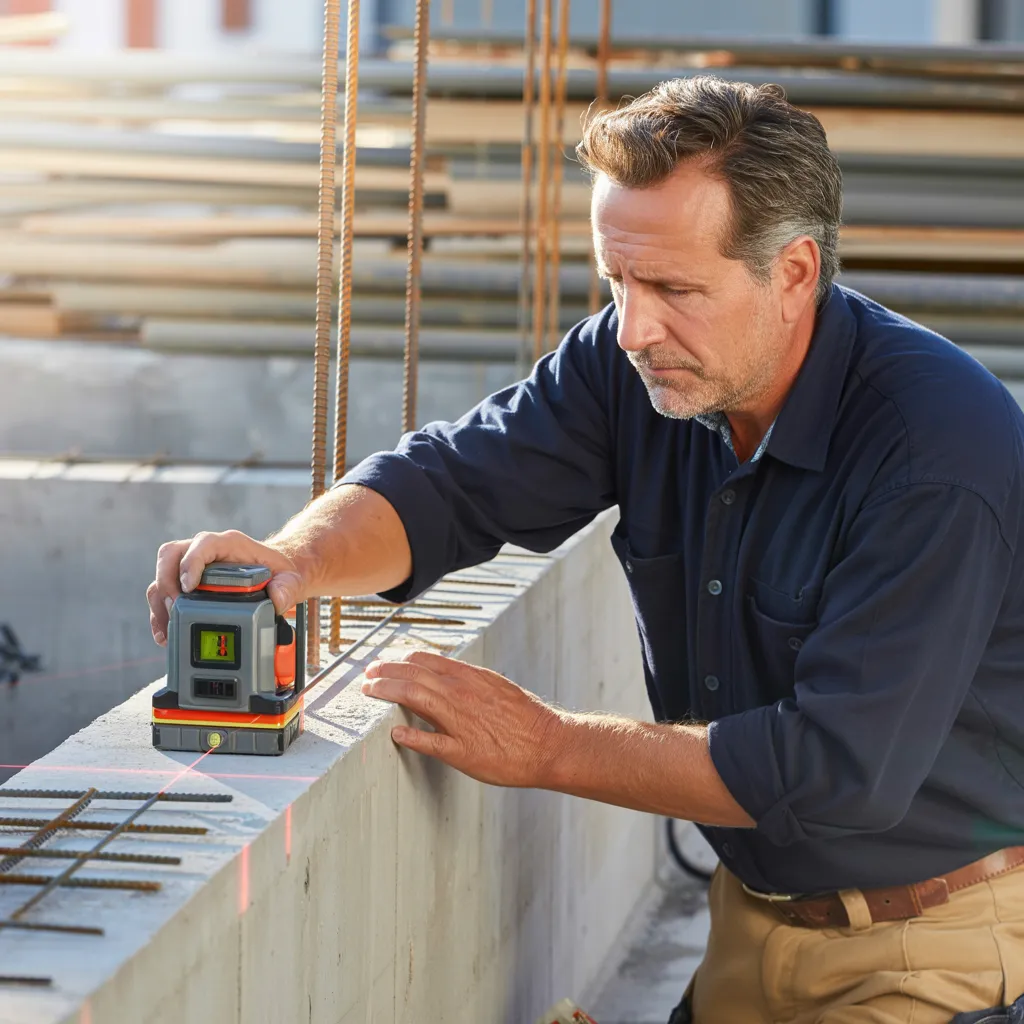
When hiring a general contractor, how can one navigate the wide array of options without falling into common traps? Homeowners often miss important factors that can lead to unsatisfactory outcomes. To begin, focusing only on pricing can be problematic; the cheapest quote may signify subpar quality or hidden costs. Additionally, overlooking references or customer feedback can lead to engaging a contractor with an unsatisfactory history. It is equally important to avoid selecting a contractor purely on charm; a charming contractor may not have the required expertise or dependability. Moreover, neglecting to set clear communication and goals can cause disputes and frustration. Finally, failing to carefully examine contracts prior to signing can lead to unforeseen responsibilities or insufficient safeguards. By being vigilant and informed, homeowners can make more confident decisions, ultimately leading to a successful project.
What You Should Look For in a Contractor's Experience
When evaluating a contractor's expertise, a number of important considerations arise. Relevant project experience, industry certifications, and a detailed record of accomplished work serve as critical indicators of their capabilities. Evaluating these aspects can provide valuable insights into the contractor's suitability for the particular project in question.
Relevant Project Experience
Understanding a contractor's relevant professional experience is essential for ensuring the success of any construction undertaking. Prospective clients should examine the contractor's portfolio, focusing on completed projects similar in scope and style to their own. This entails analyzing the standard of craftsmanship, commitment to deadlines, and cost control in previous undertakings. Additionally, it is helpful to seek information on the kinds of materials employed and the contractor's familiarity with local building ordinances and compliance requirements. Reviews and recommendations from former clients can offer valuable information about the contractor's dependability and interpersonal abilities. When all is considered, a contractor with substantial relevant experience can manage hurdles proficiently, guaranteeing the work aligns with the homeowner's expectations and standards.
Industry Credentials And Licenses
Certification and licensing function as critical measures of a contractor's professional standing and knowledge in the construction industry. When choosing a general contractor, it is essential to ensure that they possess the necessary licenses required by local and state requirements. These licenses signify compliance with safety standards and building codes. Additionally, industry certifications, such as those from the National Association of Home Builders or related professional bodies, reflect a contractor's commitment to quality and ongoing education. Contractors with specific accreditations may also exhibit skills in specific areas, such as green building or remodeling. Confirming that a contractor has the appropriate credentials not only bolsters assurance in their competence but also limits potential legal and financial exposure during the project.
Collection Of Completed Projects
A professional's collection of past work acts as an essential tool for assessing their experience and capabilities. This collection should showcase a range of projects, exhibiting flexibility in diverse approaches and challenges. When examining a body of work, interested parties should look for detailed photos that accurately showcase the artistry demonstrated. It is also advantageous to view work examples that match the client's individual tastes and specifications. Meticulous craftsmanship, forward-thinking approaches, and commitment to deadlines are key signs of a contractor's skill. Additionally, customer reviews or project summaries featured within the portfolio can offer greater understanding into the contractor's commitment and dependability. In the end, a robust portfolio can help homeowners arrive at well-considered choices about their future work.
How to Confirm Your Contractor's Credentials and Licenses
Prior to hiring a general contractor, it is crucial to check their credentials and licenses to confirm they meet industry standards. Initiate the process by contacting local licensing boards to verify that the contractor possesses the required licenses for your location and project type. Each state has its own requirements, so being aware of these can help avoid future issues.
Additionally, ask about insurance coverage, including liability and workers' compensation, to provide safeguarding from potential accidents or damages. Ask for references from past clients and reach out to evaluate their reliability and satisfaction.
Lastly review any certifications the contractor may possess, as they frequently reflect specialized expertise and commitment to industry standards. A comprehensive evaluation process not only confirms conformity but also establishes assurance in the contractor's capability to execute the project with success.
How Communication Plays a Key Role in Your Contractor Relationship
Effective communication plays a pivotal role in the client-contractor dynamic, determining the trajectory of success from the start. Open conversation defines expectations, schedules, and budgets, guaranteeing that both sides remain in agreement on the project's objectives. When clients communicate their ideas clearly, contractors can deliver well-considered advice and effective solutions, enhancing the overall outcome.
Regular updates and open lines of communication facilitate the rapid addressing of concerns as they emerge, limiting possible setbacks. Additionally, a contractor who actively hears and addresses client input fosters trust, which is fundamental to a successful partnership.
Additionally, proper communication is key to addressing changes and unanticipated challenges, keeping the project on track. It allows the contractor to adjust strategies based on client input, promoting contentment at each phase of the project. Fundamentally, placing communication at the forefront not only deepens the contractor-client relationship but also substantially aids in bringing the home project to a successful conclusion.
Important Questions to Ask Your Contractor During Initial Meetings
During early consultations with a contractor, clients ought to focus on learning about the contractor's background and credentials. It's essential to inquire about the expected timeline and overall budget to ensure it aligns with the client's goals. Such inquiries establish the groundwork for a successful partnership and effective project management.
Background and Qualifications
Picking a qualified contractor depends on understanding their expertise and credentials. Home improvement clients should ask about the specialist's time in the field and the kinds of projects they have undertaken. Detailed inquiries regarding certifications, licenses, and insurance are critical, as these ensure adherence to local regulations and deliver security during the work. Furthermore, examining previous work through project samples or references can provide perspective on the specialist's quality of work and trustworthiness. It is also helpful to ask about their experience with comparable projects, as this can reflect helpful information their capability to handle unique challenges. At the end of the day, assessing a professional's qualifications and experience instills assurance and empowers clients take thoughtful steps about their home improvement projects.
Project Schedule and Financial Plan
How can homeowners guarantee their project stays on track financially and on time when speaking to a general contractor? To stay aligned, they should pose key questions during early consultations. Homeowners need to find out about the projected schedule for finishing the project and any foreseeable obstacles that could occur. Grasping the contractor's approach to managing schedules is critical. Additionally, talking about costs from the start is crucial; homeowners should seek clarity on cost estimates, payment schedules, and any prepared provisions for unexpected costs. Asking about previous projects can offer a glimpse of the contractor's reliability in meeting deadlines and staying within budget. By creating open dialogue regarding deadlines and costs, homeowners can develop a collaborative dynamic with their contractor, enhancing the likelihood of a completed project within expectations.
Tips for Checking References and Reading Reviews
What actions should a person take to confirm a general contractor is dependable? Initially, it is important to obtain a list of references from candidate contractors. A trustworthy contractor will willingly supply names and contact details of past clients. One should call these references to inquire about their experiences, focusing on aspects such as communication, quality of work, and adherence to timelines.
Additionally, reading online reviews on sites like Google, Yelp, or the Better Business Bureau can give useful information. It is essential to look for patterns in the reviews—repeated praise or complaints can signal trustworthiness or possible concerns.
Additionally, looking into any issues reported to consumer protection agencies or local licensing boards can expose a contractor's track record. As a final step, seeking out up-to-date project images can be useful in judging the standard of their craftsmanship. By implementing these actions, homeowners can make a better-informed choice when choosing a general contractor.
Understanding Contractor Pricing and Payment Terms
It is also important for homeowners to understand common payment terms. The majority of contractors ask for an upfront deposit along with progress payments linked to project milestones. Clarifying these terms prior to signing a contract is crucial to prevent any misunderstandings. Additionally, homeowners should inquire about potential additional costs, such as permits or unexpected repairs. Clear communication regarding pricing and payment terms will help establish a transparent working relationship, ultimately leading to a successful project outcome. Understanding these elements empowers homeowners to make informed decisions when selecting a general contractor.
Questions Our Clients Often Ask
How Long Will the Project Take to Complete?
Project completion time commonly fluctuates based on complexity and scope. Generally, it may take several weeks to months. Factors such as weather, material availability, and labor resources can greatly influence the completion timeline.
What Takes Place When Unanticipated Issues Surface During Construction
If unexpected issues arise in the course of construction, the contractor generally evaluates the circumstances consults with the homeowner, and proposes solutions. Modifications to the timeline and costs may be needed, guaranteeing openness at every stage of the work.
Will My Project Require Permits or Inspections?
The majority of projects need permits and inspections to guarantee conformity with regional building codes. It is important to consult with a professional general contractor who understands these requirements, as they are able to navigate the permitting and approval process effectively.
How Do You Handle Subcontractors and Their Payments?
A reliable general contractor coordinates contracted workers by developing detailed contracts outlining payment conditions. They provide punctual financial transactions, maintain clear dialogue, and track subcontractor work quality, cultivating a collaborative setting that enhances project success and efficiency.
What Is Your Policy Regarding Project Changes or Upgrades?
The contractor adopts a adaptable stance to project changes, requiring written documentation for any enhancements. They ensure transparent communication, analyze financial implications, and adjust timelines accordingly to support the client's developing needs and expectations.